

Country Next: Atlus
We’re proud to showcase country music’s brightest new stars through our Country Next series. In this installment, we talk to Atlus.
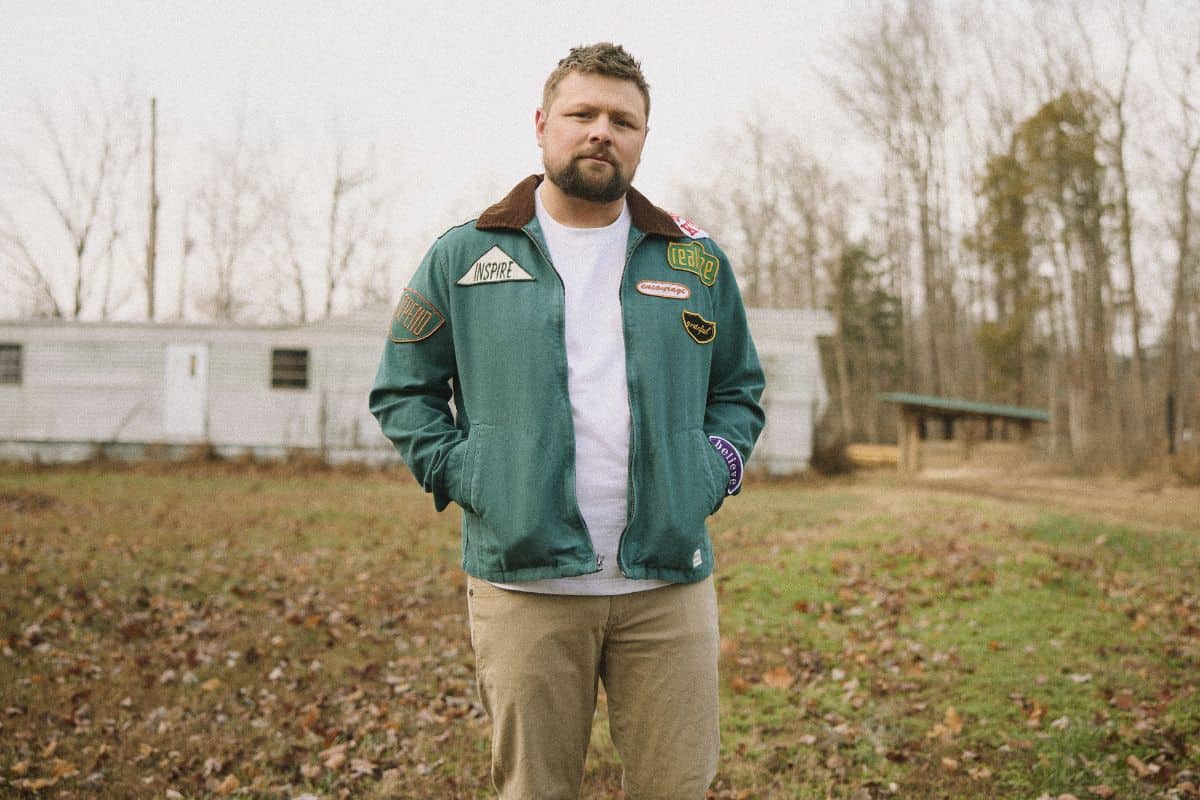
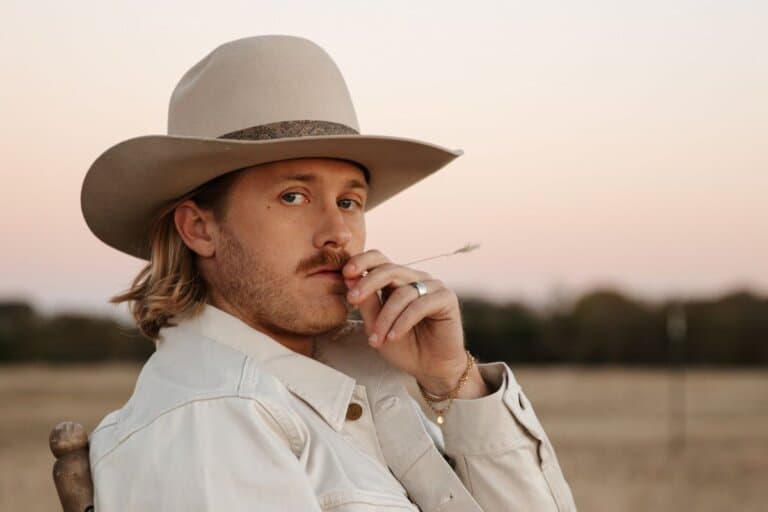
Atlus; Photo by David McClister
Before Atlus ever signed a record deal or moved to Nashville, he was living in Colorado driving semi-trucks for a living. Then, an unexpected connection with Jelly Roll completely changed the trajectory of his life.
Born in Indiana and raised primarily in Colorado after his parents split when he was just two years old, Atlus grew up in a single-parent household surrounded by poverty and addiction. Music became his therapy, and those early experiences now fuel the emotional honesty in his songwriting.
The singer began writing while racking up hours as a commercial truck driver, crafting lyrics behind the wheel to support his family and fund studio time. His first of two albums were written on the road and fittingly, the first time he connected with Jelly Roll, he was behind the wheel of a truck.
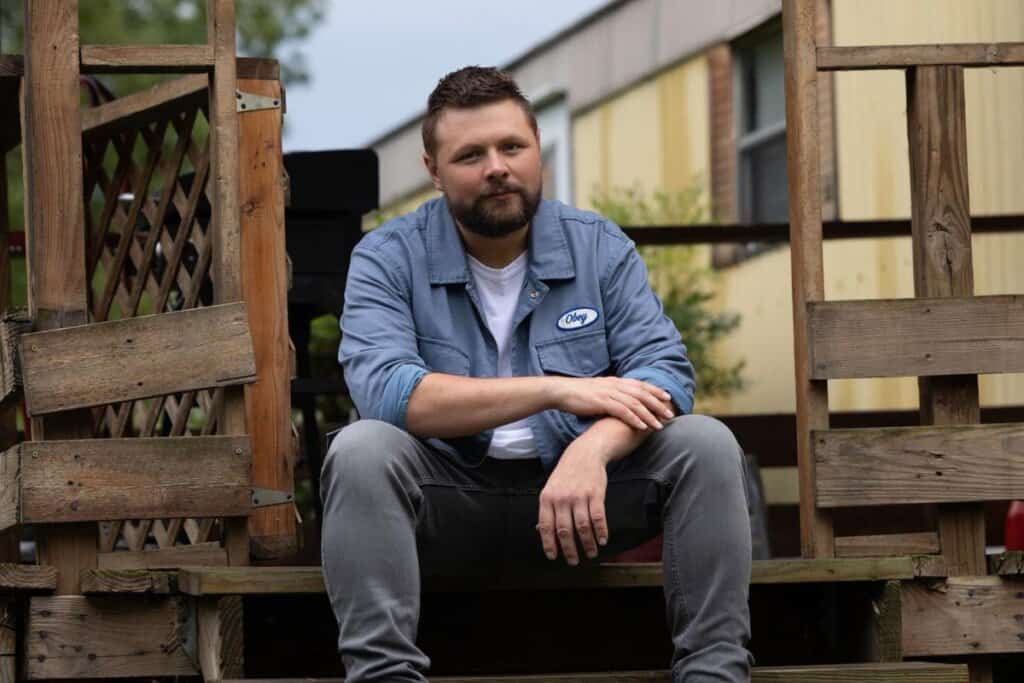
Soon after getting in touch, Jelly Roll flew him to Nashville in 2022, introduced him to key people in the industry, and helped point him in the right direction. That eventually led Atlus to sign with BBR Music Group/BMG Nashville and move to Music City, marking a new chapter in a career that had already been quietly gaining momentum.
Even before signing the deal, the “Devil Ain’t Done” singer earned over a billion on-demand global streams, a Platinum-certified single, a Top 5 Spotify Global Album, and more than two million social media followers on top of releasing four independent albums. Atlus is now gearing up to release his first full-length album as a signed artist, Art of Letting Go, arriving March 20 and marking his most personal project yet.
While the industry is just beginning to catch up with Atlus, the music itself has been years in the making. He sat down with Country Now to discuss his upbringing, Jelly Roll’s influence over his career, his new album and more in the exclusive Q&A below.
At what point during your upbringing did you turn to music as a way to express what you were going through?
I think the first time music really hit me hit me was, I had a friend pass away in fourth grade. There is a Sarah McLachlan song, the “I Will Remember You” song. I remember hearing it and just crying to it. I just remember listening to it for 10 hours straight. I think that’s when I started using music as a way to help me through stuff. And then over time, my dad was huge into country. So after that, I found Rascal Flatts and Mark Wills, Mark Chesnutt. I’d always been singing, but fourth grade is when I really felt something.
What was your experience like writing your first two albums while driving semi-trucks?
I was in this rock band when I was 19, 17 in high school. And we did a little bit of writing, but we never really went after it like we should have. And I think eventually when I went solo, I first quit my job, and I remember thinking, ‘what I need is, I need time for the band.’ And then you quit your job and then you realize, ‘oh, I don’t have money, so I can’t record anything.’ Then my brain flipped and I was like, ‘okay, I need to work more than one job if I want to pay for this stuff.’ So I was driving trucks and once I started doing that, I picked up a second job just so I could pay for studio time. But I knew that a truck was a place where you’re driving, you’re on your own and you’re driving long distances and usually a bunch of people are listening to podcasts or the radio so it just felt like the perfect time to write. I’m in the car for five hours with good speakers playing the music and, in my brain, it was funny. It was like my way of being a songwriter in Colorado. They’re paying me to deliver stuff, but in my head they’re paying me to write songs.
How did you eventually find your way to Nashville from Colorado?
I got to Nashville because Jelly Roll actually hit me up. And after years of just releasing a song once a month, we finally just had some music going and he DM’d me and he was like, “I love the music, Bubba.” And he’s like, “Call me. ” It’s funny because I remember when I first got this, I remember for a couple days I thought it was a dream. I woke up at 2:00 AM I think when he sent it. I looked at it and I went back to bed and I just didn’t think anything of it. I thought it was a dream. Two days later, I was like, “What if it wasn’t?” It popped in my head and I looked it up and I saw it and I was like, “Oh my gosh, I just left Jelly Roll on read for two days.” I felt like the worst human being that ever existed. I was like, “What am I doing?” And I sent him my number and a couple weeks later he calls me up and I was actually driving a truck and I pulled over real quick and was like, “Before we get into this Jelly, I got a 30 minute out. I’m on my lunch break. I have a hard out in 30.” He’s like, “What are you talking about?” I started telling him about how I’m a truck driver. And he’s like, “Kid, you have a gold record. What are you doing driving trucks?” I didn’t have a great response to that. I was just like, “It’s all I’ve ever known. I imagine I’m just going to keep doing that, but I’ll just do both.”
He was like, “Well, who’s your team?” And I was like, “Well, I got two homies from high school that filmed everything and we put it online and just my friends.” And he’s like, “I need you to meet some people, Bubba.” So he flew me out to Nashville, and he put me up in a hotel and he just introduced me, man. He introduced me to my manager and that’s how it all started.
What’s your relationship with Jelly Roll like today? Do you ever get the chance to work together these days?
I think Jelly just, he didn’t really have time to be taking me under his wing, even bringing me out. So I think he just tried to nudge me in the right direction and just let me do my thing, but yeah, I love him. I’m sure when it cools down, I’m sure we’ll run into each other now and then. It’s just a good time always.
Was it your interaction with Jelly Roll that made you realize things were starting to change for you?
Once I was out there with Jelly, I think that was a … I just trusted him. I know he knows what he’s talking about. And then when I started touring, I think was the first moment I was like, “Oh, things are different.” Getting a booking agent and stuff that just didn’t seem like something that I would ever have. When I first started, that music started taking off, I just didn’t believe it. I thought it was going to go away. All good things go away. I can’t even have that plan B. But I was too focused on plan B that eventually I started to realize, “oh, I guess I’m just going to keep doing this. I guess I can do it,” which is great because it’s my dream. I’ve always been scared to … I just didn’t think it would stick around as long as it has, and I’m happy that people are connecting with it.
Your debut single, “Devil Ain’t Done,” has had good successes and even gained attention internationally. How does it make you feel seeing this song get such a positive response?
One, I was just excited for radio because that’s a big reason why I wanted to come to Nashville is because as a kid, you think that’s the coolest thing in the world is hearing a song through a speaker like that and being able to hear your own is amazing. But when we took it to Australia and it got to number four, I definitely didn’t expect it to do that. I think we’re about to break the top 50. It’s just moving. So I mean, I’m always cautiously optimistic. I never like to think it’s going to go number one or even go top 50. If it does, it gets me even more excited.

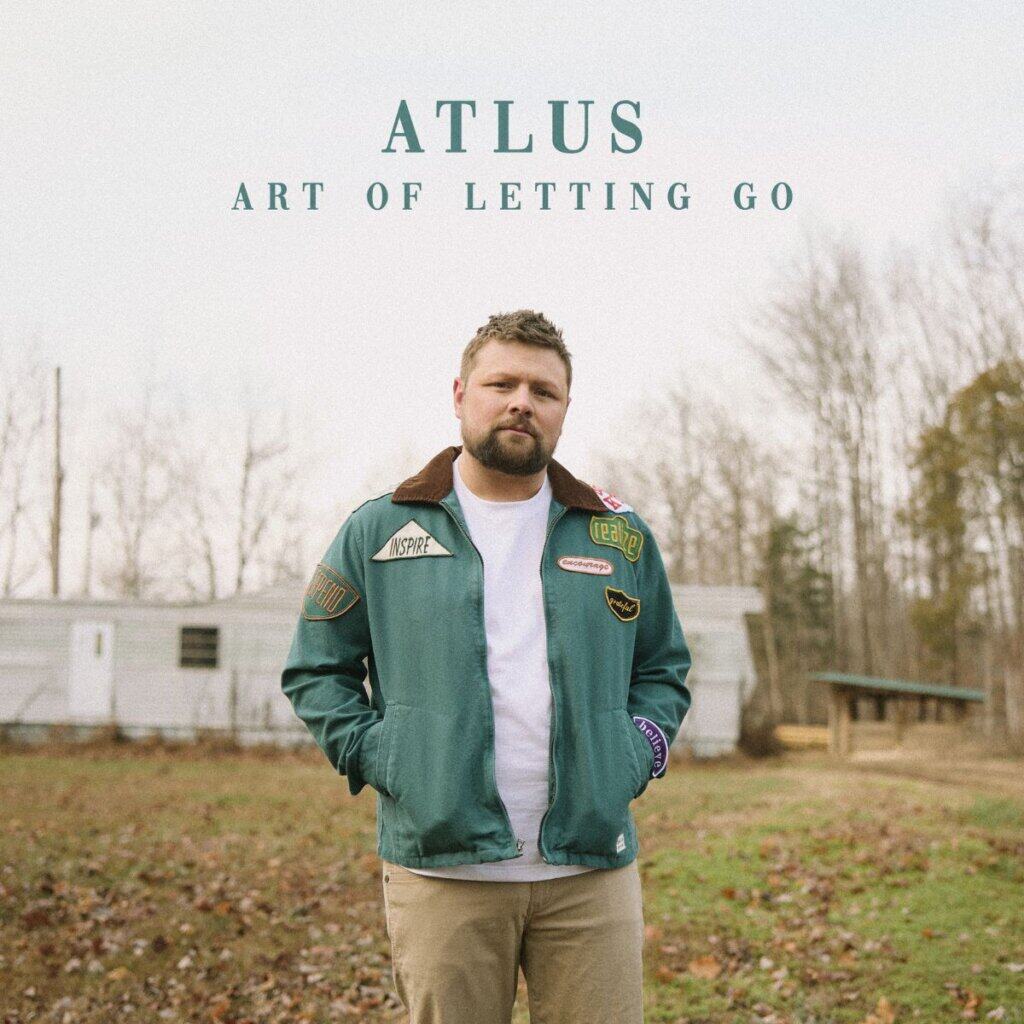
That leads us into your fifth studio album, Art of Letting Go. It’s your first as a signed artist so talk about how this project represents this chapter of your life.
I think there’s just cuts on here of definitely a lot of things I’ve been avoiding. A big one was “Art Letting Go,” which is just the loss of my sister and her battle with drug addiction and what that’s done to our family. And also with “Baby Momma,” how our family, how we grew up very poor and the environment and I think it’s just very storytelling in terms of, before it’s been a lot of breakup songs, but I really dove into the childhood on this one just to kind of give you an idea of how I grew up and how it was. And that’s why I love about this record. It’s definitely more personal. And “Art of Letting Go” is kind of like me letting go of these negative things that I’ve been holding onto. And that’s kind of why we planned on that as the title for the album.
So what was it like trying to narrow down this track list when you have so many personal songs?
I wrote down 15 songs, titles that could relate to how I grew up…and Second Hand Smoke was one of them. And when we went to the writer room, and that’s why I think “Secondhand Smoke” starts it because it tells everything. It says you got to work hard and it also shows that my mom used cigarettes to get through it all. And I don’t think I’ve ever heard secondhand smoke as a positive thing, but in my life, it’s always been positive because it’s the thing that got my mom to get up and work two jobs, to get up and stay motivated and take care of us. And that was her moment of…She got five moments a peace, and it was when she was on the back porch with a Pall Mall, not a Marlboro.
What does it mean to you to see fans connect with these songs in their own lives?
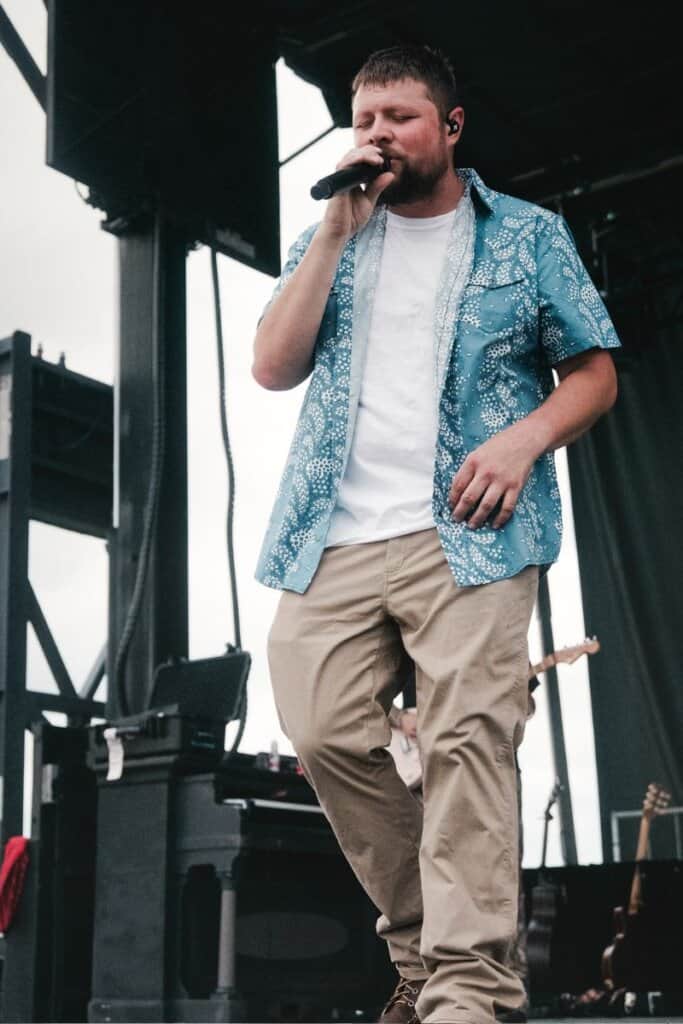
When we were performing at a festival, we played “Secondhand Smoke” even before it was out. My camera guy at the time was filming and he said there’s a guy that literally said, “That’s my grandpa.” And it’s nice to see people connect with it. I’m hoping that songs like that in Art Letting Go can help people through a lot of stuff. Art of Letting Go has had a lot of big moments on socials, getting a lot of views and attention just in terms of just someone losing someone to addiction. And it’s been good to see people not feel alone in the comment section.
Fans can keep up with Atlus on Instagram.

Madeleine O’Connell graduated from North Central College with a bachelors degree in Journalism and Broadcast Communications before deciding to pursue her studies further at DePaul University. There, she earned her masters degree in Digital Communication & Media Arts. O’Connell served as a freelance writer for over two years while also interning with the Academy of Country Music, SiriusXM and Circle Media and assisting with Amazon Music’s Country Heat Weekly podcast. In addition to Country Now, she has been published in American Songwriter, Music Mayhem, and Holler.Country. Madeleine O’Connell is a member of the Country Music Association and the Academy of Country Music.
You may also like



Country Next
Playlist
On Repeat


Get the latest country music news delivered straight to your inbox.
