

Kid Rock Blasts Ticketing Industry in Fiery Congressional Testimony, Demands Protections for Fans and Artists
Kid Rock is taking a stand for “hardworking Americans” who share a love for live music.
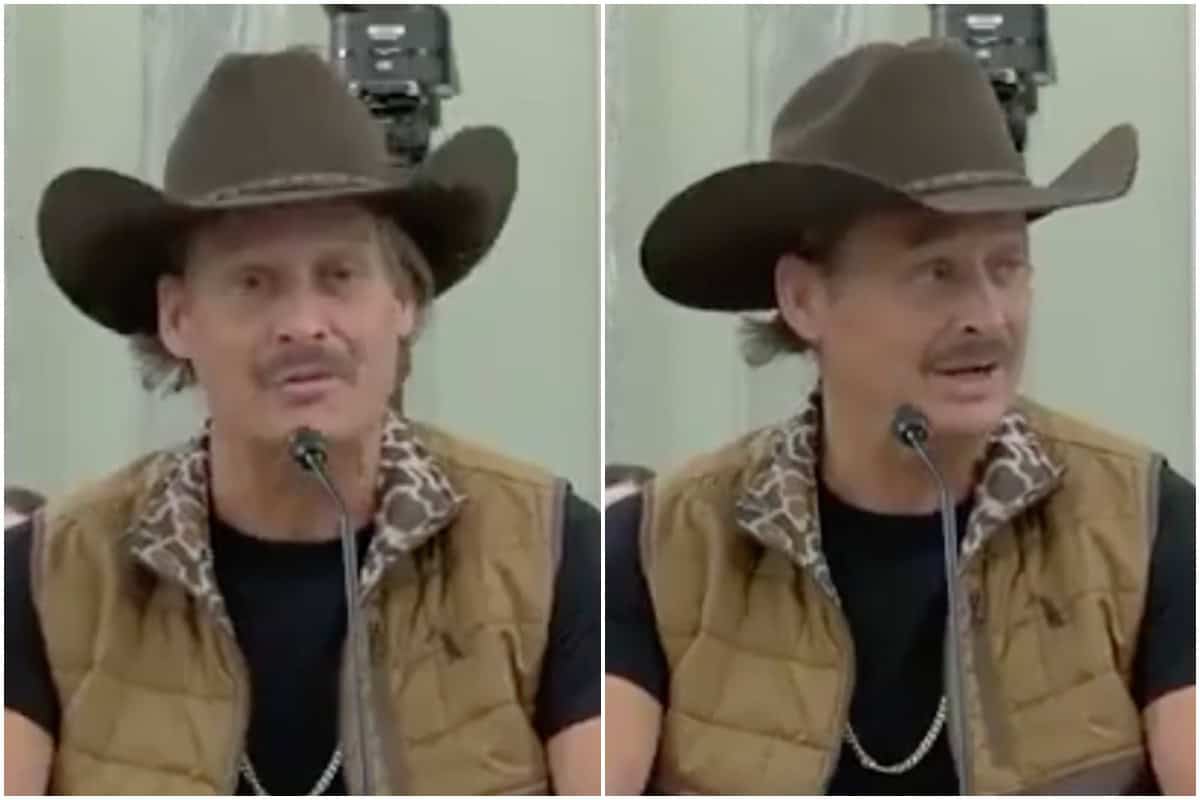
Kid Rock; Photos Courtesy of TikTok
Kid Rock, born Robert Ritchie, testified before the U.S. Senate Commerce Committee on Capitol Hill in Washington, D.C., on Wednesday, January 28. Speaking as a successful artist who is well-versed in the entertainment industry, he addressed the skyrocketing cost of concert tickets and advocated for legislative reforms aimed at benefiting both fans and artists.
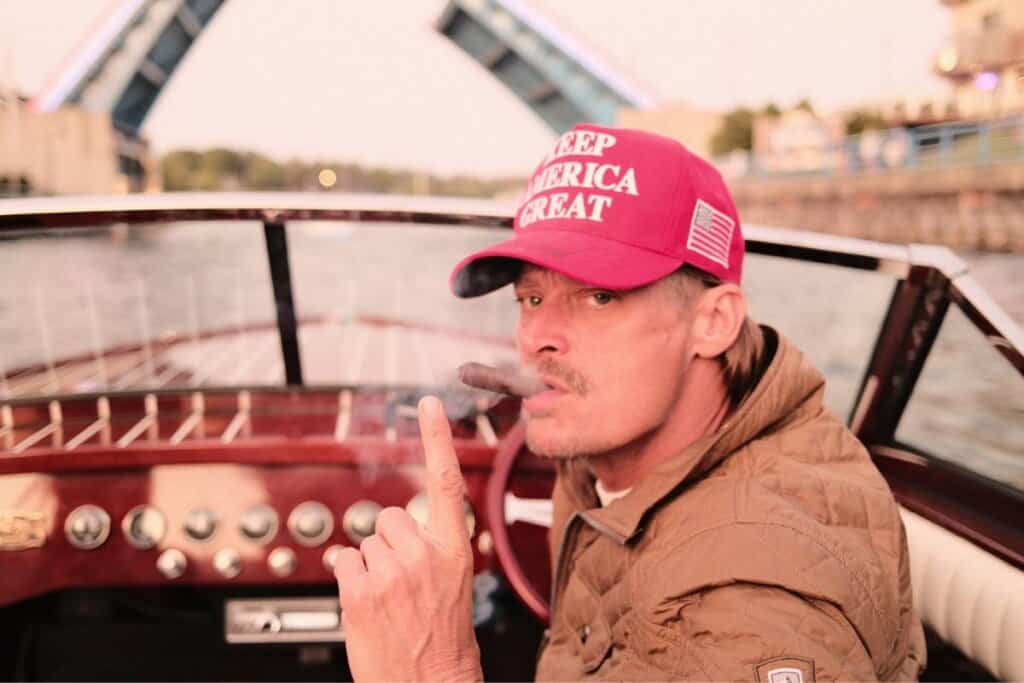
The country rocker began by sharing his background in music and the business side of the industry and explained why the years of experience gives him a unique perspective on the issues at hand. He emphasized that his long career touring and connecting with fans has shown him firsthand the challenges and frustrations that both artists and concertgoers face on a regular basis.
“I’m proud to say I’ve been packing arenas, amphitheaters and stadiums with the greatest fans on earth for over 25 years. I’m also a capitalist. I’m here today because I love God. I love this country. I love live music and sports, and I believe music fans and artists have been getting screwed for far too long by the ticketing system,” he admitted.
Kid Rock also pointed out that he is able to speak freely on the problems at hand because unlike many in the industry, he operates independently. This allowed him to sit before Congress and offer a passionate statement, critiquing the current ticketing system that is negatively impacting the “hardworking Americans” who share a love for live music.
“To put it plainly, I ain’t scared. I ain’t scared to speak out on these issues like many artists, managers, and agents are for fear of biting the hand that feeds them. I’m here because hardworking Americans who love live music deserve better and because artists deserve control over their own work.”
@consequence Kid Rock testified before Congress on Wednesday about the skyrocketing cost of concert tickets and potential legislative reforms. #kidrock ♬ original sound – consequence
The Michigan native then reminded congress that these problems with ticketing aren’t new. He noted that 30 years ago, members of Pearl Jam raised similar concerns about the industry. He pointed to the 2009 merger of Live Nation and Ticketmaster, which was promised to benefit artists and fans, but in his view, “failed miserably.”
“The CEO of Live Nation called the merger an experiment and promised it would increase competition and power artists and lower costs. He also said, and I quote, ‘A system that empowers artists benefits everyone.’ The CEO of Ticketmaster at the time also testified in 2009 and said, ‘We believe the combination of our two companies will benefit artists, fans, theaters, sports teams, museums, and all the other facilities, performers, and spectators who use our services.’
“The economic foundation that supported artists in the past is crumbling. Piracy is threatening their livelihood. Secondary ticketing is driving up prices for the fans with absolutely no benefit to the artist,” he added.
These system failures, from what Kid Rock has witnessed, has caused independent venues to suffer, artists to lose leverage in their own careers, and fans having to pay more than ever to see their favorite artists live on stage. He emphasized that artists should have a say in how their tickets are sold as well as who sells them, something that hasn’t happened under the current partnership between Ticketmaster and Live Nation.
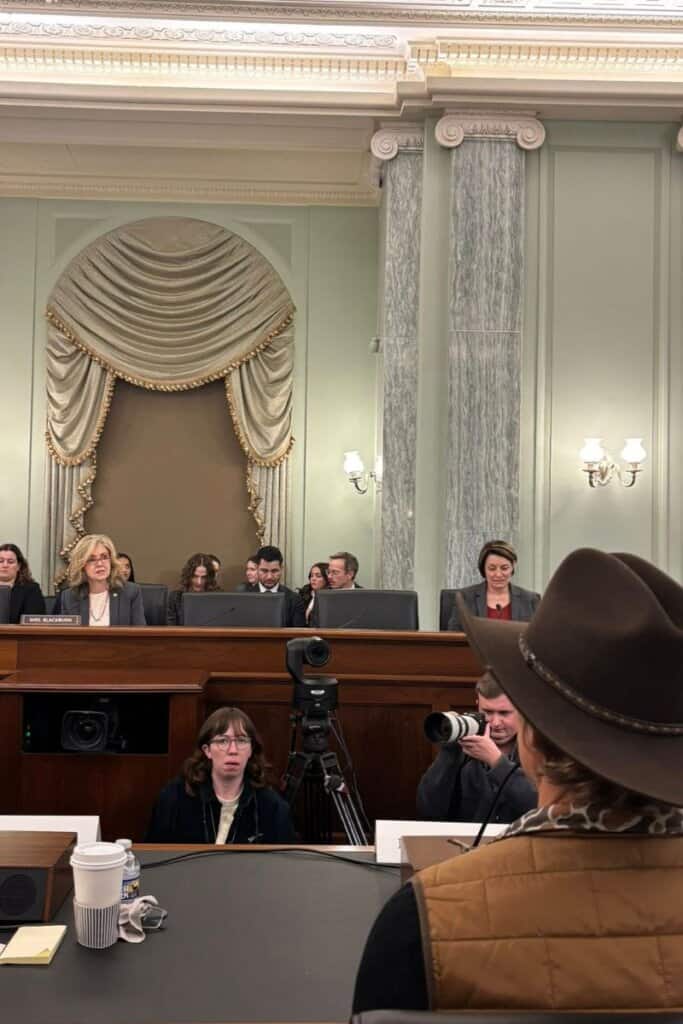
He then posted the question, “What other business in America doesn’t control or at least have a say in their own inventory?”
Without real choice and competition, tickets are ending up in the hands of scalpers and brokers, leading fans pay the inflated prices. Kid Rock feels that a lot of the scamming could have been avoided by using technology and “proof of humanity tools.”
“It hasn’t happened yet because there’s just too much money in the secondary ticket market. Ticketing companies didn’t fail to stop this. Seems they chose not to.”
There are currently solutions being put in place to address these problems overseas that have proved to be successful. He explained that some European countries have capped resale ticket prices and that strategy that appears to be working in favor of fans and artists. This idea is something that the “All Summer Long” singer says he has been advocating for in the states as well, suggesting that there should be a 10% price cap placed on resale tickets.
Ticketmaster and Live Nation have supported this plan, however he remains confused as to why these companies haven’t acted upon this potential solution yet.
“I don’t think Ticketmaster needs a law passed to do this. If that’s true, then it only proves these companies have been reactive, not proactive,” Kid Rock continues. “I would implore Congress, this is important to subpoena the contracts and deals between artists, promoters, buildings, ticketing companies, agencies, and vendors, because as I understand it, you will find mountains of fraud and abuse.”

In his final remarks, the artist outlined a clear set of solutions for fixing the ticketing system, which includes giving artists control of who sells their tickets, putting a cap on resale ticket prices to protect fans and enforcing laws like the Bots Act that aims to stop brokers and bad actors.
“All in pricing is great, but it doesn’t fix the system. Outlawing speculative ticketing is obvious,” he shared. “The problem is that ticketing lobbyists push these reforms as cover while fighting to keep tickets in an open market and lets them exploit fans under the guise of capitalism. Do not be fooled by these tactics. Congress and many others have been fooled since the mid 1990s, fooled again in 2009 and so on. This wasn’t an experiment. It was a monopoly dressed up as innovation.”
Kid Rock closed his well-prepared statement with a quote from one of his favorite rock bands, The Who, stating “’It as my sincere hope. We won’t get fooled again.’ Thank you. Rock on.”

Madeleine O’Connell graduated from North Central College with a bachelors degree in Journalism and Broadcast Communications before deciding to pursue her studies further at DePaul University. There, she earned her masters degree in Digital Communication & Media Arts. O’Connell served as a freelance writer for over two years while also interning with the Academy of Country Music, SiriusXM and Circle Media and assisting with Amazon Music’s Country Heat Weekly podcast. In addition to Country Now, she has been published in American Songwriter, Music Mayhem, and Holler.Country. Madeleine O’Connell is a member of the Country Music Association and the Academy of Country Music.
You may also like
Country Next
Playlist
On Repeat


Get the latest country music news delivered straight to your inbox.
