

Country Next: Lakelin Lemmings
We’re proud to showcase country music’s brightest new stars through our Country Next series. In this installment, we talk to Lakelin Lemmings.
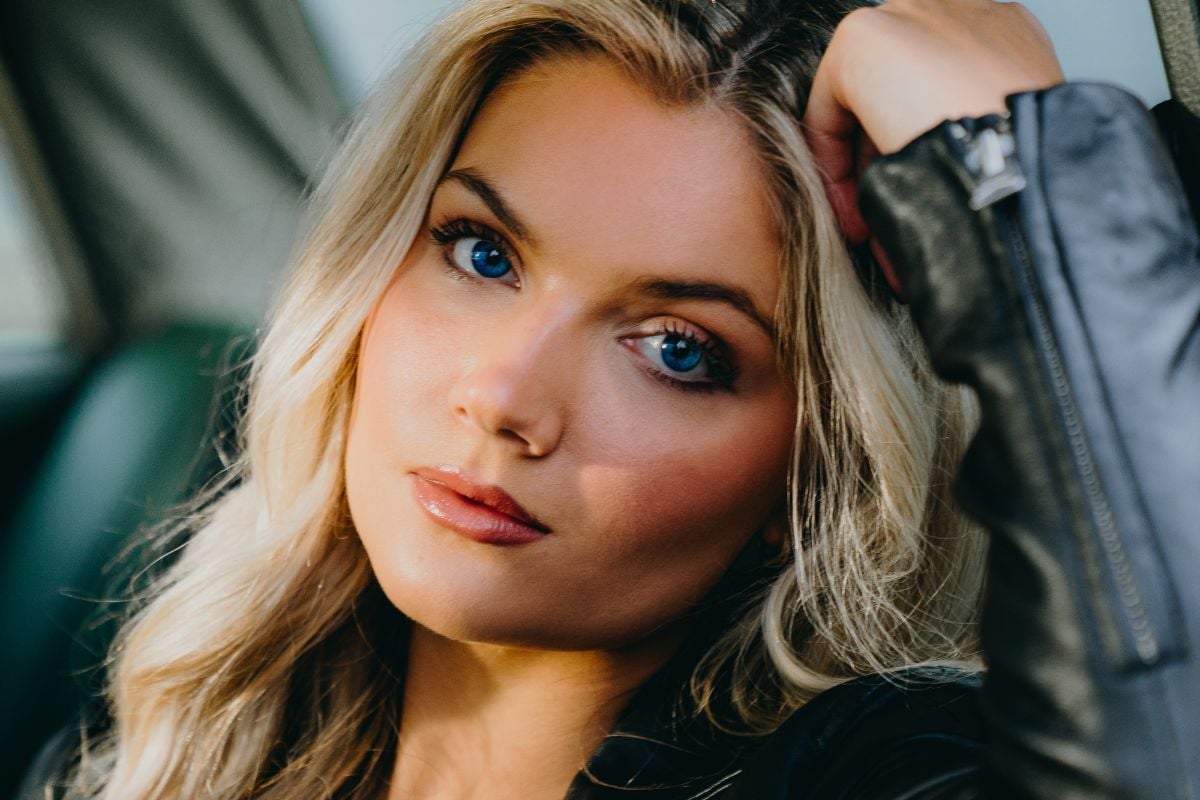
Lakelin Lemmings; Photo by Noah Johnson
Lakelin Lemmings is just 19 years old, but she has already spent more than a decade chasing her dreams. Growing up in West Tennessee surrounded by music, she discovered her passion for country at an early age. That desire to create in her own way has carried her all the way to the release of her debut EP, Get Around Boy, in which she embraces her small-town roots and tells her story on her own terms.
The songstress got her first taste of performing at six years old when she entered various talent shows and took the stage at local festivals. She was homeschooled at the time, allowing her to dedicate more time to voice lessons and developing her craft for songwriting. By the age of 12, she was writing her own music in Nashville, by 17 she had signed her first publishing deal. Last June, she entered a new chapter when she inked an artist deal with Quartz Hill Music Group.
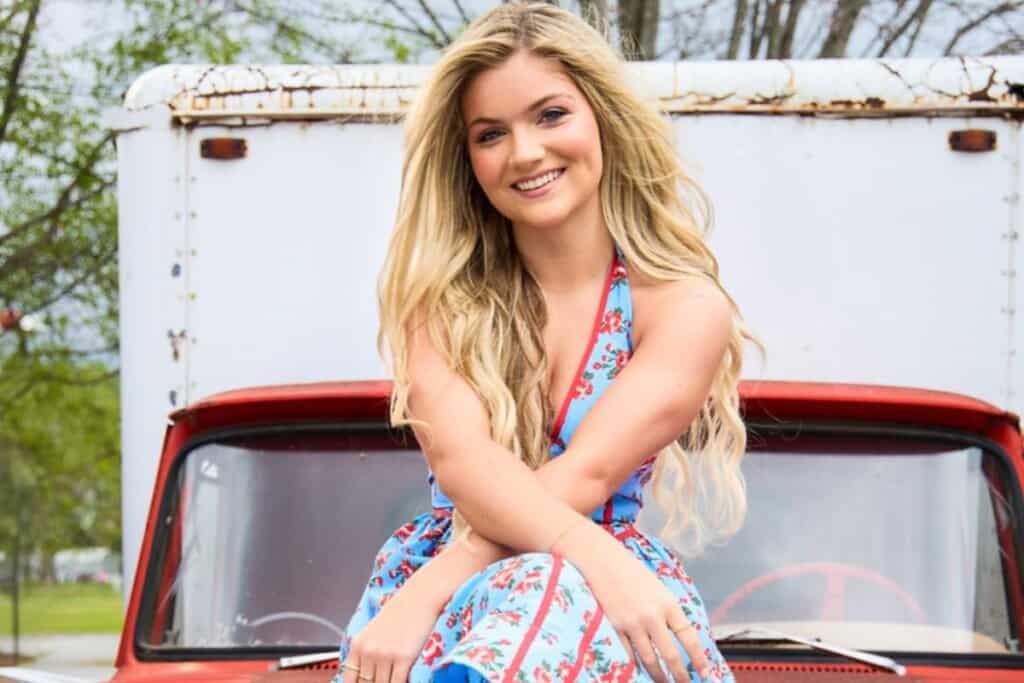
There has never been a doubt in Lemmings’ mind that this was her calling. She was immersed in the music scene early on, between her dad, Phillip, being a touring country guitarist and the sounds of Dolly Parton, Reba McEntire, Loretta Lynn, Miranda Lambert, Carrie Underwood and more filling her home.
“There’s no plan B. Even now, I’m like, I hope this works out,” Lemmings told Country Now in an exclusive interview.
With her just-dropped EP, Get Around Boy, Lemmings wanted to give listeners a clear picture of who she is as an artist. The five-track project blends autobiographical moments with heartfelt storytelling, capturing the reality of chasing dreams, and navigating faith and relationships.
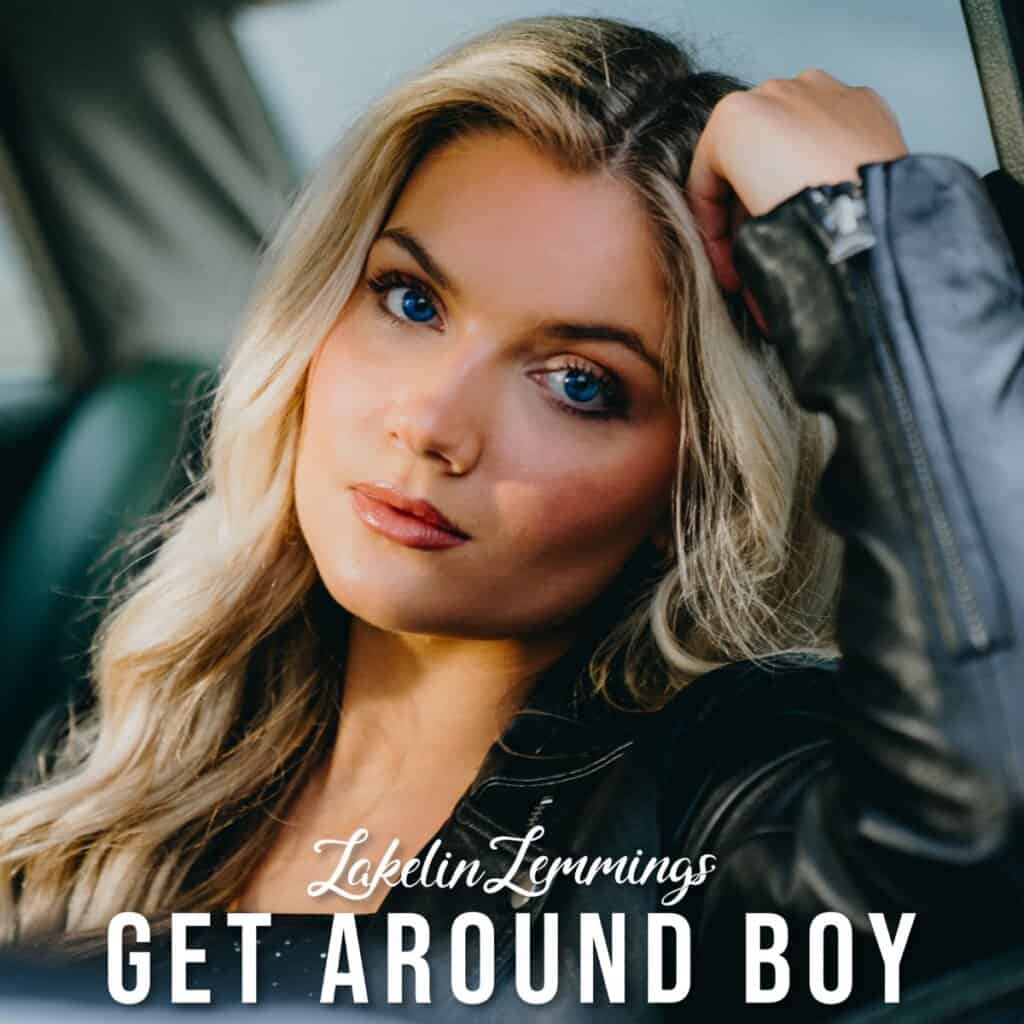
At the heart of it all is her mission to create music that connects with girls in the same way she felt with songs from female icons like Dolly Parton, Reba McEntire, Miranda Lambert, and Carrie Underwood. She hopes to provide her listeners with the same kind of confidence and comfort while letting them know they’re never alone.
Keep reading the Q&A below to learn more about Lakelin Lemmings, from her musical upbringing to finding her own space in Music City, lessons learned along the way, and more.
What kind of memories do you have of these early performances? Were there ever any nerves or it was always just a natural thing for you?
For sure I was nervous. I still get nervous to this day. But yeah, one of my earliest memories was I sang “You’re Looking At Country,” Loretta Lynn. It was one of the first country songs I ever learned. And I sang at this place called Red Bones Grill & Bar in Jackson, Tennessee. When I was six years old, it was a random karaoke night. And they threw me up on stage. And I think I knew in that moment, I was like, “Yeah, this is kind of cool. I might do this for a living.”
You were writing and recording in Nashville by the time you were 12. How did you navigate that at such a young age?
I don’t really know what other 12-year-olds did. I’m like, I’ve been working for a while now. But no, I think it was great. I wouldn’t change a thing. And I’m glad that I got an early start and knew that this was what I wanted to do because I mean, now I’m 19 with a record deal and traveling the world and doing the thing and it’s super fun.
What did you learn from growing up in a musical household and watching your dad play guitar? How did that help you later on?
Yeah, him being involved in the band and stuff, obviously he was out of the band when I was younger. He actually quit the band because I was being born. Sorry, dad. But he always played the guitar in the house and went to play in church and stuff so me and my sister actually grew up singing in church in the choir and that kind of thing. And so that was obviously an influence as well. And then I was homeschooled, so I didn’t really go to school and do all the extracurriculars and stuff. My parents put me in voice lessons and I started doing that and just really grew to love it and started writing and kind of the rest is history.

You achieved another big milestone at 17 when you signed her first publishing deal. How did things change for you after that?
I mean, going to Nashville since at the age of 12, I was like, I don’t really know a whole lot about the music industry, at that point still. And I was like, how do I do this for a living and to make money? And so when I got offered my publishing deal, I was like, whoa, I can get paid to write songs. This is a job. I don’t have to work at Sonic. So yeah, I was super blessed, super fortunate to get that. And then progressed into the record. It’s been crazy.
What do you feel like has been the biggest lesson that you’ve learned either from another artist or just from your experience growing up in this world?
Laney Wilson once said on an award show, I can’t remember which one, but it was like, “if you’re going to be a dreamer, you got to be a doer.” And I 100% agree because even though this career is very fun and I’m very blessed and fortunate with different things, it is hard work and it’s a lot of time away from family and friends. But if you really love it and you’re really passionate about it, then it’s all worth it.
Talk about signing your record deal last summer and how it felt to have that new level of support behind you?
I signed the publishing deal when I was 17 and then actually had my meeting with the label when I was still 18 Ash Bowers, my producer had started working at the label and he was like, “I’m going to get you in for a meeting, but no promises. I don’t know. But I’m trying my best.” And I went to the meeting with Benny Brown, Jason Sellers, Paul Brown, and I think I was supposed to sing three songs. I only ended up singing two because after the second one, Benny, the head of the label, he was like, “I think I heard you. ” My parents actually came with me to that meeting, which was really special. And he was like, “I can tell you have a good background, a good head on your shoulders, and obviously a beautiful voice.” So he was like, “Let’s do it. ” And I was like, “Oh my gosh, okay.” And after speaking to some people, they’re like, “That’s not normally how it goes.” And I was like, “I don’t think so either.” But I was very happy with how it turned out. And after that, we just hit the ground running. I had photo shoots and content shoots, and I’d already been writing a ton. So just picking out the right songs to put out. And we picked “American Dreamin’,” which I think was a great debut single. And threw that on the radio for the first time. Shortly after that, it was just like, what is my life? I’m thinking this might actually work out.
When you were putting together your latest EP, Get Around Boy, what kind of vision did you have for it?
So with the EP, I wanted to be very specific and make sure there was a song for everybody and a song that represented me as, I mean, my career really, because this is the first project I’ve ever put out. And so I wanted people to hear it and be like, “Okay, so this is what she’s about.” So obviously I have “American Dreamin’,” which is the story of my life and talking about chasing my dreams and it’s just fun and upbeat. And you have “What Are We Doing”, which is kind of the situationship anthem. So for people my age or people older, younger, it doesn’t matter, I think we’ve all been through a complicated relationship…And then you have “Parking Lot,” which is kind of another story of just growing up in my hometown, not having much to do, but just hang out with friends in the parking lot. And then you have “Get Around Boy,” which is kind of the story of two high school sweethearts being torn apart. And the girl has a dream she’s chasing. Wonder where I got that out idea. And the boy stays back home, but she kind of thinks about him everywhere she goes. So it’s a beautiful little…t wrapped up in a bow and I’m very proud of it.

Talk about the only song you didn’t cut for the project, “Keep The Faith.”
I’m very fortunate to cut that song because that was the only song that I didn’t write for this project actually. But the incredible Lori McKenna and Jaron Boyer and Phil Barton wrote that. I think Carrie Underwood had it on hold at one time, maybe a rumor, I don’t know. So I was like, the fact that I got to cut that was amazing.
Can you share a bit more about your mission to put out music that lets other girls feel seen and why that is important to you?
It’s so important to me because I think growing up for me, music was kind of my therapy and music was kind of what I reached to in times of need. And I remember just hearing voices like Carrie Underwood with “Jesus Take the Wheel” and Miranda Lambert and Dolly Parton, Reba, all these amazing female voices that, at a time where I needed it, they made me feel like I wasn’t alone and they made me have confidence. And so I really want to just be another one of them and just kind of be a light to those that need it.
What advice would you offer to other female artists who are just starting out in pursuing their dreams?
If you’re just starting out, make sure you’re passionate about it and make sure you love it because it sure is hard, but it’s rewarding. And for me, this has always been a God thing. I knew that this is what God had called me to do, and so who am I to deny him? But yeah, just love what you do and do with all your heart.

Madeleine O’Connell graduated from North Central College with a bachelors degree in Journalism and Broadcast Communications before deciding to pursue her studies further at DePaul University. There, she earned her masters degree in Digital Communication & Media Arts. O’Connell served as a freelance writer for over two years while also interning with the Academy of Country Music, SiriusXM and Circle Media and assisting with Amazon Music’s Country Heat Weekly podcast. In addition to Country Now, she has been published in American Songwriter, Music Mayhem, and Holler.Country. Madeleine O’Connell is a member of the Country Music Association and the Academy of Country Music.
You may also like
Country Next
Playlist
On Repeat


Get the latest country music news delivered straight to your inbox.
